Liposuction Michigan and the Role of Compression Garments
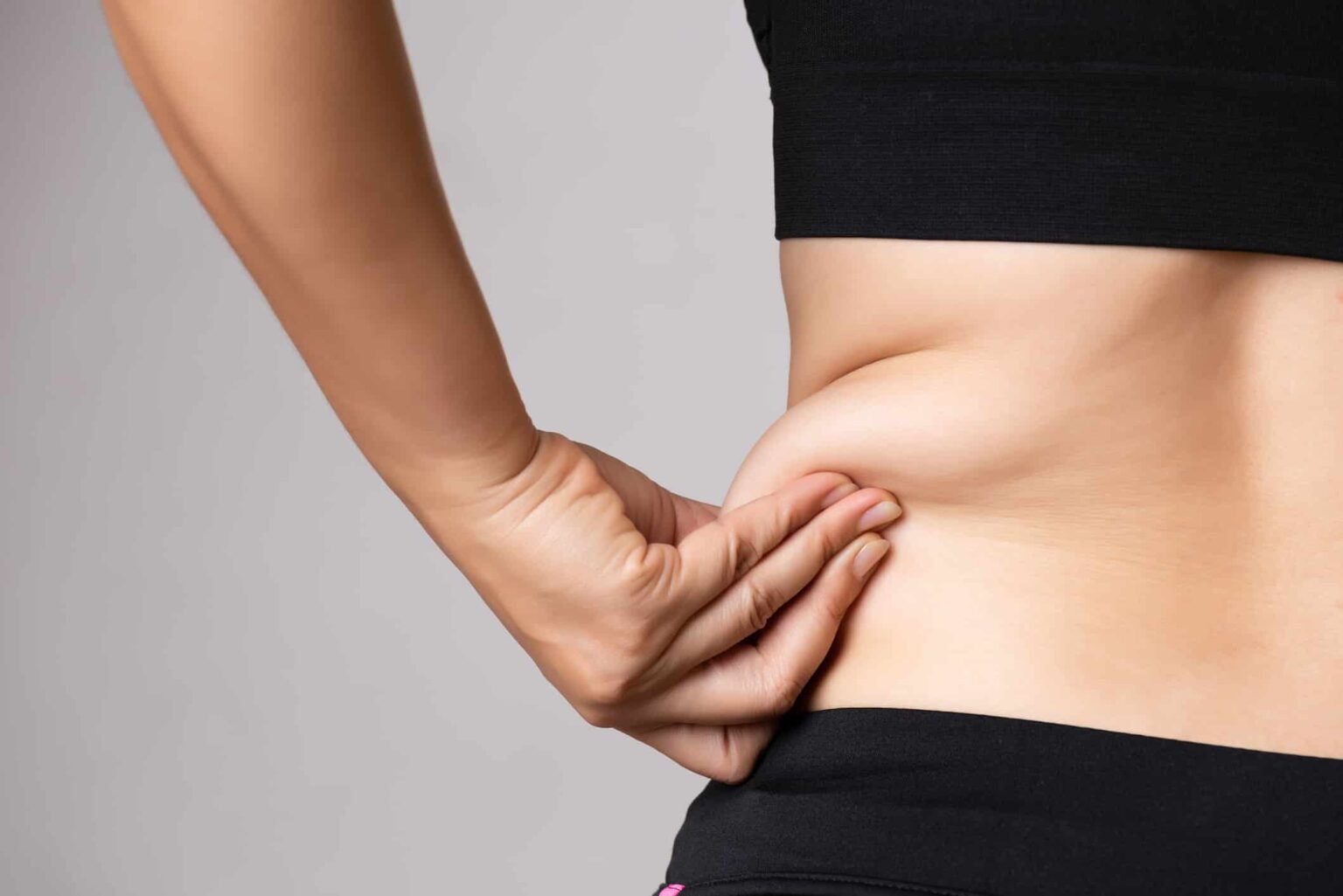
Liposuction has a way of drawing attention to the procedure itself while leaving the recovery period underexplored. Most patients spend weeks comparing body areas, techniques, and expected contour changes, then realize after surgery that healing has its own learning curve. One of the most important parts of that curve is the compression garment. It looks simple. It is not.
For anyone researching Liposuction Michigan, compression garments deserve more than a passing mention. They affect swelling, comfort, early shaping, and day-to-day mobility during recovery. They also influence how confident a patient feels in the first few weeks after surgery, when the body is changing quickly and not always gracefully. The right garment, worn correctly and for the right length of time, can make recovery smoother. The wrong garment, or a good garment worn poorly, can create pressure marks, discomfort, bunching, and unnecessary frustration.
In clinical practice, this topic comes up constantly. Patients usually ask practical questions rather than theoretical ones. How tight should it feel? Can I take it off to sleep? Why does one side seem puffier than the other? Is it normal to feel numbness beneath the fabric? Those questions matter because recovery is lived hour by hour, not just measured at a follow-up visit.
Why compression matters after liposuction
Liposuction creates controlled surgical trauma beneath the skin. Even with modern techniques and careful handling of tissue, the body responds with inflammation and fluid shifts. Swelling is expected. Mild bruising is expected. A sensation of heaviness or firmness in treated areas is expected too. Compression garments help manage those changes by applying steady external pressure over the areas that were sculpted.
That pressure can support tissues as they begin to adhere more evenly during healing. It may help limit the space where fluid can collect, reduce the sensation of wobbliness in the early days, and make movement feel more secure. Many patients report that they feel oddly vulnerable without the garment in the first week, then relieved once it is back on. That reaction is common. After liposuction, even walking across the room can make treated areas feel tender and unstable. Compression acts almost like a gentle brace.
There is also a psychological element that should not be dismissed. Recovery can be messy. Swelling often peaks before it improves. One hip may look different from the other for a while. The lower abdomen may seem firmer than expected. A well-fitted garment gives patients a sense that they are actively supporting the healing process Liposuction Michigan rather than just waiting for time to pass.
What a compression garment actually does, and what it does not
Patients sometimes hear exaggerated claims. A garment does not replace surgical skill. It does not melt fat. It does not guarantee a perfect contour. It cannot fix overcorrection, undercorrection, or preexisting skin laxity. What it can do is help manage the normal aftermath of surgery in a more controlled way.
Think of it as recovery equipment, not a cosmetic shortcut. Its main jobs are mechanical support, edema control, and comfort. In some patients, especially those who have liposuction of the abdomen, flanks, back, thighs, or arms, good compression can also make it easier to stand upright and move around with less pulling. That matters because light walking is encouraged early in recovery to reduce stiffness and promote circulation.
The nuance is in the fit. Too loose, and the garment does very little. Too tight, and it can create grooves, impair comfort, and in some cases worsen localized swelling by pushing fluid into adjacent areas. The goal is firm, even compression, not strangulation. Patients are often surprised to learn that deep pain, tingling beyond the expected postoperative numbness, or sharply indented lines are signs to call the office rather than signs to push through.
Recovery in Michigan adds a few practical wrinkles
Liposuction MichiganRecovery does not happen in a vacuum. Climate, clothing, and seasonal routines all shape the experience. In Michigan, weather can be a real factor. A garment worn under layers in January is a different proposition from a garment worn during a humid July. Heat can intensify swelling and make compliance harder. Dry winter air can irritate skin that is already sensitive from surgery. Even the logistics of follow-up appointments, long car rides, and returning to work during changing seasons influence how tolerable the garment feels.
That is one reason patients exploring Liposuction Michigan should ask not only about the operation but also about garment planning in real life. Someone recovering during winter may appreciate the ease of concealing a garment under sweaters and looser clothing, but they may also deal with stiffness getting in and out of boots or heavy outerwear. Someone recovering in summer may prefer breathable fabric, shorter wear breaks for hygiene, and very thoughtful planning around heat exposure.
Michigan patients also tend to ask smart, practical questions about activity. Can I walk outside in cold weather? Can I drive to work in this? What do I wear under jeans? Those details matter because a garment only helps if it is actually worn.
The first week feels different from week three
The earliest phase of recovery is rarely elegant. Drainage from tiny incision sites can happen for the first day or two, especially depending on technique and surgeon preference. Bruising and generalized swelling are common. During this period, compression often feels most important because the body is reacting the most dramatically. Many patients describe the garment as uncomfortable to put on but comforting once secured.
By week two or three, the recovery pattern usually shifts. Bruising starts to fade, drainage has stopped, and swelling becomes less dramatic but more stubborn. This is the phase when patients can get impatient. They feel better, so they assume the garment is no longer necessary. Yet this is exactly when consistent wear still matters. Residual swelling often lingers for weeks, sometimes longer in areas like the lower abdomen, flanks, inner thighs, or beneath the chin.
There is also a phenomenon that surprises many people: swelling can fluctuate. A patient may wake up feeling slim and trimmed, then feel puffier by evening after sitting at a desk, driving, or eating a salty meal. That does not mean something is wrong. It usually means healing is still underway. Compression can help smooth out those swings, though it will not eliminate them entirely.
Choosing the right garment is more technical than most people expect
A proper postoperative garment is not the same as generic shapewear purchased online the night before surgery. The fabrics, seam placement, panel design, and closures all matter. The best garment is one that matches both the treated area and the stage of recovery.
After abdominal and flank liposuction, for example, patients often do best with a garment that offers broad, even pressure across the midsection without folding into the waist crease. After thigh liposuction, the leg openings become critically important. If they are too tight, they can leave a visible ridge and create swelling just below the edge. Arm garments need enough compression to support tissue without sliding or cutting into the underarm. Chin and neck garments need to stay in place without causing headaches or jaw discomfort.
Sizing is where experience matters. Many patients assume smaller is better because smaller means tighter. That is one of the most common mistakes. Postoperative swelling changes measurements, and the right size is rarely the smallest one a patient can force onto the body. If it takes twenty minutes of wrestling and leaves deep painful trenches, it is probably not helping.
A well-fitted compression garment should do the following:
- Feel snug and supportive without causing sharp pain or numbness beyond normal postoperative sensation
- Lie relatively smooth against the skin, without rolling, twisting, or bunching into folds
- Allow normal breathing, short walks, and the ability to sit without severe pinching
- Stay in position with everyday movement
- Be practical enough that the patient can use the bathroom, shower, and get dressed without a daily ordeal
Those standards sound basic, but they prevent a lot of unnecessary misery.
The two-garment reality most patients appreciate later
Many practices recommend more than one garment, and there is a good reason for that. Garments get sweaty, stained, and stretched. They need washing. Patients who only own one often find themselves hand washing it at night and hoping it dries by morning, which is unrealistic in a Michigan winter and inconvenient in any season.
There is also the matter of fit progression. What works in the first several days may not be ideal after swelling begins to decline. Some surgeons transition patients from a more medical-grade initial garment to a second-stage garment that offers support with a slightly different profile. That transition is not universal, but it is common enough that patients should ask about it ahead of time.
One patient I once heard described it well: the first garment was for surviving recovery, the second was for living in recovery. That is accurate. Early garments are often chosen for easy access, adjustability, and accommodation of swelling. Later garments can be smoother under clothes and easier to wear for longer stretches.
Wearing schedule, and why consistency beats perfection
The exact protocol varies by surgeon, treated area, and patient factors. Some surgeons want garments worn nearly full-time for the first few weeks, followed by a gradual reduction. Others allow more flexibility sooner, especially after smaller-volume procedures. The point is not to follow a random online timeline. The point is to follow the postoperative plan designed for the actual procedure performed.
Patients often ask whether a few hours out of the garment will ruin the result. Usually, no. Recovery is not that fragile. But repeated long breaks, especially early on, can increase swelling and make the body feel more sore and unsupported. The better frame of mind is consistency rather than all-or-nothing perfection. If a patient removes the garment for a shower, laundering, or a brief skin break, that is not a problem. If they stop wearing it because they feel better on day six, they may regret it by day eight.
The most helpful mindset is to think in phases. Early healing is about support and edema control. Middle recovery is about persistence despite boredom. Late recovery is about tapering thoughtfully, not abruptly.
Common problems patients run into
The challenges are usually practical. Skin can become itchy. Foam inserts, if used, can shift. The garment may ride down while sitting. Bathroom breaks can become a production. In warmer months, patients may feel damp and overheated. In colder months, they may layer so much clothing over the garment that getting dressed becomes exhausting.
A few issues deserve prompt attention. One is asymmetrical pressure. If one side is digging in and the other is loose, swelling can redistribute unevenly. Another is a skin fold trapped under compression for too long, which can lead to irritation or breakdown. A third is assuming every firm area is scar tissue that needs aggressive massage. Sometimes firmness is just normal postoperative swelling or healing tissue and does not benefit from enthusiastic self-treatment.
There is also the issue of aesthetics. Some garments show under clothing, especially over the hips or thighs. Patients returning to work often care about that almost as much as comfort. In those situations, strategic clothing choices help. Looser trousers, dresses with structure, soft knit layers, and avoiding stiff waistbands can make the recovery period much easier. This sounds superficial until you live it. If clothing becomes a daily struggle, compliance drops.
Compression, contour, and the patience problem
One of the hardest parts of liposuction recovery is that the final result is not visible right away. Patients see some immediate reduction in volume, but it is obscured by swelling, temporary irregularity, and tissue firmness. Compression garments can make the body look smoother under clothes before the actual long-term result has declared itself. That is helpful, but it can also create false alarms when the garment comes off and swelling is still visible.
This is where judgment matters. Not every bump is a contour deformity. Not every full area means fat was missed. Some regions, especially the lower abdomen and flanks, can hold onto fluid for longer than patients expect. The same goes for inner thighs, where friction and gravity can keep swelling noticeable. Compression supports the process, but it does not speed biology past its normal pace.
The patients who tolerate recovery best are usually the ones who understand that healing is not linear. They expect days when the body looks better and days when it looks worse. They understand that a postoperative body at two weeks is not a final body. And they keep the garment in perspective, as one important tool among many rather than a magic device.
Skin quality changes the garment conversation
Compression matters for nearly everyone after liposuction, but it becomes especially important when skin elasticity is borderline. Patients with naturally firm, elastic skin often see the most graceful redraping over time. Patients with looser skin, stretch marks, prior weight fluctuations, or mild age-related laxity may need more realistic expectations. A garment can support tissue while it heals, but it cannot create collagen architecture that was not there to begin with.
This is relevant in consultations for Liposuction Michigan because body contouring decisions often happen in the context of pregnancy history, weight loss, and changing lifestyle patterns. Someone in their thirties after pregnancies may have very different tissue behavior than someone in their twenties with isolated flank fullness. The garment protocol may look similar on paper, but the counseling should not sound identical.
Patients with sensitive skin or eczema also need individualized guidance. Compression against irritated skin can become miserable quickly. Sometimes the answer is a softer underlayer, careful skincare approved by the surgical team, or a different garment fabric rather than simply telling the patient to tolerate it.
The overlap with lymphatic massage and other recovery tools
Compression garments are often discussed alongside postoperative massage, especially lymphatic-style massage. The relationship between the two is complementary, but neither replaces the other when properly indicated. Massage may help some patients with swelling, mobility of tissue, or comfort, depending on the surgeon's protocol and timing. The garment then helps maintain support between sessions.
That said, more is not always better. Aggressive massage too early can make tender tissue more inflamed. Tight foam boards used indiscriminately can create pressure points. Patients sometimes piece together advice from social media and end up overengineering their recovery. The better path is a conservative, surgeon-directed plan that responds to the actual body in front of them.
If a patient is told to use inserts, foam, or pads under the garment, placement matters. These tools are not decorative. They are used to distribute pressure or smooth a specific area. Poor placement can create the very ridges they are meant to prevent.
Questions worth asking before surgery
A lot of garment stress can be prevented with better preparation. Patients tend to focus on the procedure date and forget that recovery supplies matter just as much in the first week.
Before surgery, it helps to get clear answers to a few practical points:
- Which garment should I have on hand before the procedure, and who is responsible for fitting it?
- How many hours a day do you want it worn, and for how many weeks?
- What signs mean the fit is too tight or too loose?
- Will I likely need a second-stage garment as swelling decreases?
- If I have skin sensitivity, body asymmetry, or trouble getting it on, whom should I contact?
Those questions sound simple, but they often reveal whether the recovery plan is specific or vague. Specific is better.
What patients often notice when the garment is working well
When the garment is doing its job, patients usually notice a few subtle but meaningful improvements. Movement feels more supported. End-of-day swelling is present but not overwhelming. Clothes fit more predictably from morning to evening. The treated area may still feel numb or firm, but less chaotic. Showering and putting the garment back on becomes easier each week, which is often the clearest sign that swelling is gradually settling.
They also notice what does not happen. The garment does not erase all swelling. It does not make them feel instantly normal. It does not produce the polished look seen in before-and-after photos taken months later. A realistic expectation keeps patients from chasing unnecessary fixes during a period when time is still the main healer.
The bottom line for patients considering Liposuction Michigan
Anyone planning Liposuction Michigan should treat compression garments as part of the procedure, not an optional accessory. The surgery may last a few hours. Recovery lasts much longer, and the garment lives with you during that period. It affects sleep, work clothes, errands, exercise restrictions, skin comfort, and the emotional ups and downs of healing.
The best results tend to come from a combination of sound surgical planning, realistic expectations, and disciplined aftercare. Compression is central to that aftercare. It helps manage swelling, supports healing tissue, and gives structure to a period that can otherwise feel unpredictable. It is not glamorous, and few patients get excited about it in the consultation room. Later, many say the same thing: once they understood how much better they felt in the right garment, they stopped thinking of it as a nuisance and started thinking of it as part of the investment.
That is the useful way to look at it. Not as punishment after surgery, and not as miracle shaping wear, but as a practical medical tool that supports a better recovery experience. When patients know what to expect, choose the right fit, and wear it consistently, compression garments do exactly what they are supposed to do, quietly, steadily, and with more impact than they first appear to have.
Aesthetic Plastic Surgery & Laser Center, Michelle Hardaway M.D.
27920 Orchard Lake Rd, Farmington Hills, MI 48334, United States
+1 248-221-1957
FAQ About Liposuction Michigan
Is 55 too old for liposuction?
Age 55 alone does not determine suitability. A surgeon evaluates overall health, skin quality, healing risks, and realistic goals. A personal consultation is needed to assess candidacy and discuss alternatives.
What happens 10 years after liposuction?
Contour improvements can last, especially with stable weight. Aging, pregnancy, and weight changes can alter the appearance over time. Results vary, and liposuction does not prevent future body changes.
Can lipo get rid of an apron belly?
Liposuction reduces localized fat but does not remove hanging excess skin. An apron belly may require assessment for a skin-removal procedure instead of, or alongside, fat removal. A qualified plastic surgeon can explain appropriate options and their risks.