Liposuction Farmington Hills for Small Areas: Chin, Arms, and More
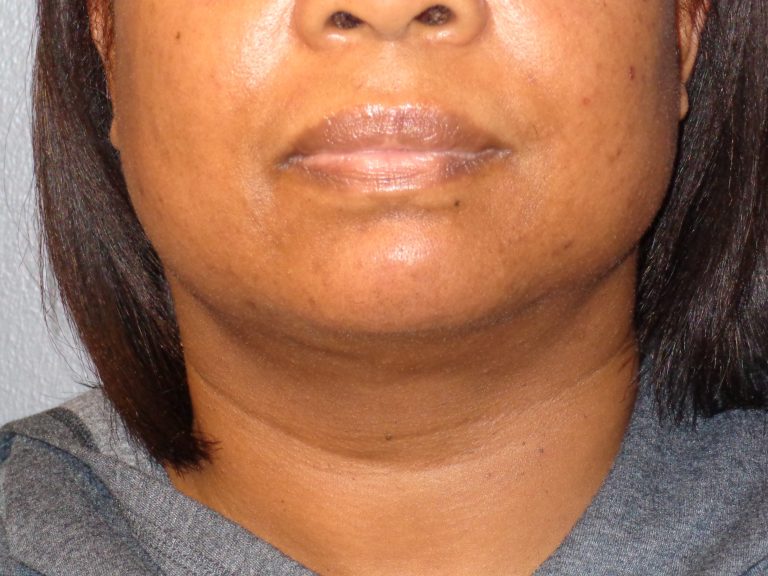
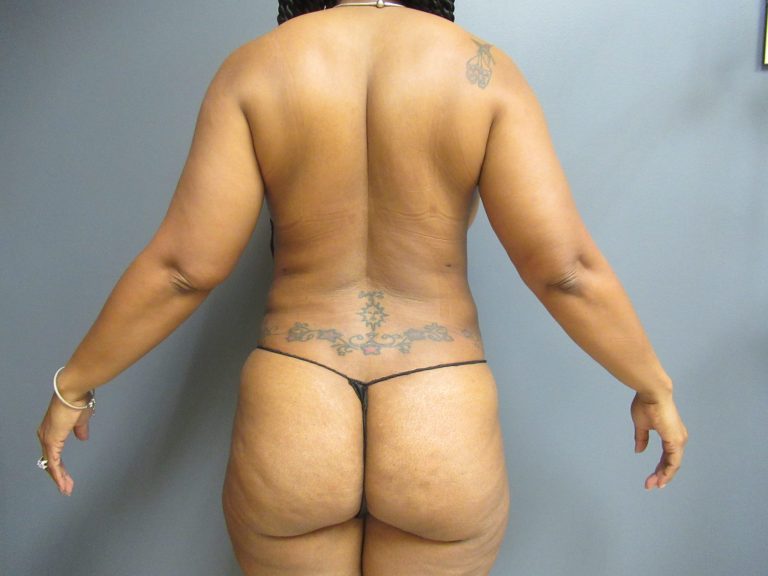
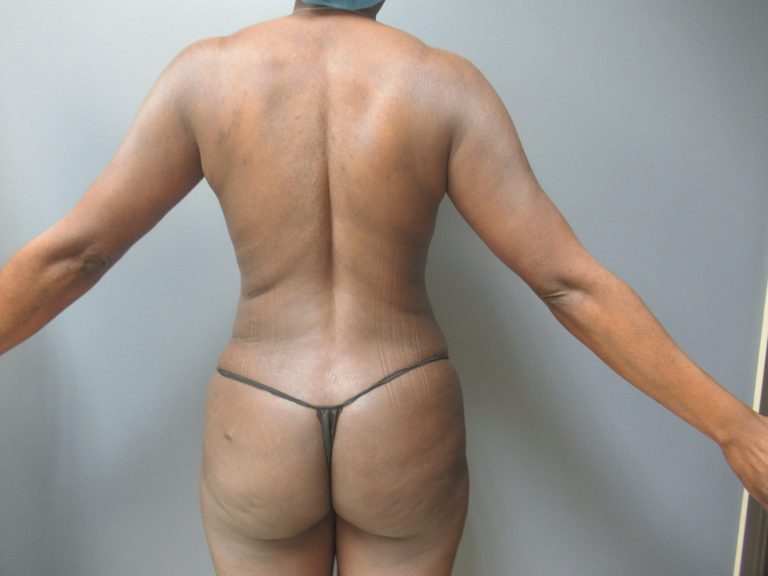
When most people hear the word liposuction, they picture larger body areas such as the abdomen, flanks, or thighs. In practice, some of the most satisfying results come from much smaller zones. A subtle fullness under the chin, a soft pocket at the back of the arms, a stubborn pad near the bra line, or a bulge above the knees can affect how clothes fit and how a person feels in photos. These concerns are often small in size but surprisingly persistent.
That is where targeted contouring matters. Small-area liposuction is not about dramatic weight loss. It is about refinement. It is for the patient who says, “My weight is stable, I exercise, but this one spot never changes.” In a consultation setting, that sentence comes up often, especially with the chin and upper arms. These are areas where even a modest amount of extra fat can change proportion, soften definition, and make the body look heavier than it is.
For patients considering Liposuction Farmington Hills options, it helps to understand what small-area treatment can and cannot do. The best decisions come from a realistic view of anatomy, skin quality, recovery, and expected improvement.
Why small areas bother people so much
A small deposit of fat can have an outsized effect when it sits in a high-visibility area. The chin is a good example. A slight submental fullness can blur the jawline in every angle, especially on phones and video calls, where camera position tends to flatten the neck and lower face. The person may be fit overall, yet feel that the face tells a different story.
The upper arms create a different frustration. Many women mention that sleeves fit tightly in one place while everything else fits fine. Men sometimes notice a softness that hides muscle tone despite regular training. Unlike abdominal fullness, arm contour is difficult to disguise without changing the entire wardrobe.
There is also a psychological element. Smaller problem areas can feel more aggravating precisely because they seem like they should be fixable through effort. When diet and exercise improve overall health but leave one pocket untouched, patients can feel stuck. That does not mean surgery is the next automatic step, but it does explain why focused body contouring is often worth discussing.
What small-area liposuction actually treats
Liposuction removes localized fat deposits. It does not tighten significant loose skin, repair underlying muscle separation, or replace weight management. That distinction matters more in small areas than almost anywhere else, because the margin between a smooth result and a disappointing one often comes down to skin behavior.
The best candidate usually has a discrete fatty pocket, good skin elasticity, and clear goals. If the issue is mainly fullness caused by fat, liposuction can work very well. If the issue is mostly laxity, then fat removal alone may make the area look emptier but looser.
This is especially relevant for the chin. Some people assume every double chin is just excess fat. Sometimes it is. Sometimes it is a mix of fat, skin laxity, muscle banding, and genetics related to the jaw structure itself. Liposuction Farmington HIlls An experienced evaluation separates those pieces. The same logic applies to the arms. A younger patient with firm skin and a small fat pad may see elegant improvement. A patient with thinner, stretched skin after weight changes may need a more nuanced conversation, because removing volume can reveal crepiness.
The chin, a small area with a big impact
Submental liposuction, often called chin liposuction, is one of the highest-impact procedures in aesthetic surgery relative to the amount of tissue removed. The area is small, the incisions are tiny, and the change can make the neck look longer and the jawline more defined.
Most patients are surprised by how little fat is sometimes needed to create a visible difference. A few carefully treated millimeters can sharpen the angle between the chin and the neck. That is why precision matters so much. Overaggressive removal can create irregularity or a hollow look, while conservative, well-blended removal tends to age better.
In the clinic, the best chin candidates are often not the ones asking for the most dramatic result. They are the ones who can point to a specific fullness that has been stable for years. Many are already at a healthy weight. They simply have inherited fullness beneath the chin that does not respond to lifestyle changes.
Recovery is generally manageable. Swelling and bruising are expected, and the neck can feel tight or numb for a period of time. Compression garments are often used, especially early on. What catches some patients off guard is the timeline. The area may look improved quickly, then fluctuate with swelling before settling. Early contour does not equal final contour. The neck is a place where patience pays off.
Arms, where contour meets skin quality
Arm liposuction is more nuanced than many people expect. The upper arm has a visible silhouette, and the skin there can be unforgiving. When patients say they want slimmer arms, they usually mean they want a cleaner line from shoulder to elbow, less rubbing against the torso, and better sleeve fit. Liposuction can help with those goals, but only when there is enough skin recoil to redrape smoothly after fat removal.
The consultation often comes down to a simple but important question: is the arm bulky because of fat, or does it mainly have skin laxity? In younger patients, postpartum patients with decent elasticity, or patients whose weight has been stable, liposuction alone can produce a meaningful improvement. In patients with more looseness, it may help only modestly, or it may need to be paired with an arm lift for a more complete result.
This is where honest surgical judgment matters. Not every area that can be suctioned should be. Patients appreciate clarity when a surgeon explains that a less invasive option is appropriate, or that surgery will only partially address the issue. A professional recommendation should protect the long-term result, not just satisfy the request in the room.
Other small areas people often ask about
The chin and arms get most of the attention, but they are hardly the only targets. Small-area liposuction is commonly considered for the bra-line region, upper back rolls, the area near the front of the armpits, the lower abdomen below a cesarean scar, the pubic mound, inner knees, and even small asymmetries left behind after weight changes.
These are not glamorous topics, but they are very real. A slight bulge at the bra line can show through fitted tops. Inner knee fullness can affect leg shape more than people realize, especially in dresses, shorts, or athletic wear. A lower abdominal pocket can persist even after strong core training and stable weight. These zones respond differently based on skin thickness, nearby structures, and how visible they are in motion.
One of the more overlooked benefits of treating a small area is proportional balance. For example, removing a limited amount of fat from the front underarm or bra-line area can make the entire upper torso look cleaner in clothing, even though the actual volume removed is not large. The same is true around the knees. A careful adjustment there can make the legs look longer and more streamlined.
How small-area liposuction is performed
The basic principle is straightforward. Through very small incisions, a surgeon uses a thin cannula to loosen and remove fat while shaping the area evenly. In small zones, the artistic aspect is as important as the technical one. The goal is not simply less fat. The goal is a natural contour that transitions smoothly into the surrounding anatomy.
Different surgeons may use slightly different techniques, including tumescent methods and variations in cannula size, depending on the area and tissue characteristics. For small areas, finesse matters. Tiny instruments and controlled passes can reduce trauma and help create a more polished result.
Anesthesia depends on the location, the amount of treatment, and whether the liposuction is being combined with anything else. Some small areas can be treated under local anesthesia with sedation, while others are more comfortably addressed in a broader operative setting. Patients often assume “small area” always means “minor procedure,” but that is not quite right. Small-area surgery may involve less volume, yet the precision required is often higher.
Good candidates tend to have a few things in common
A productive consultation usually reveals a pattern. Patients who do best with small-area liposuction are typically close to their goal weight, have maintained a relatively stable weight for several months, and are focused on shape rather than scale. They are not expecting the procedure to substitute for fitness or to solve generalized body dissatisfaction.
They also understand that symmetry in the human body is approximate, not perfect. A thoughtful surgeon can improve imbalance, but there are natural differences in muscle tone, bone structure, and skin behavior from side to side. Chasing perfect mirror-image symmetry is a setup for frustration.
Here are a few signs that someone may be a strong candidate:
- A localized fat pocket persists despite healthy habits.
- Body weight has been stable for a meaningful period.
- Skin has enough elasticity to contract after fat removal.
- The goal is contour improvement, not major weight loss.
- The patient is prepared for swelling, downtime, and gradual results.
Those points are simple, but they matter. They often predict satisfaction better than the exact number of cubic centimeters removed.
What recovery really feels like
Recovery varies with the area treated, the patient’s baseline healing pattern, and whether one or several zones are addressed together. The first few days often bring soreness more than sharp pain. Patients describe it as feeling bruised, stiff, or tender, similar to an intense workout layered with pressure. The chin can feel tight and awkward when turning the head. The arms can feel heavy and swollen, especially when reaching.
Compression is part of the process for many patients. It helps manage swelling and supports the tissues as they settle. The downside is that compression garments are not always comfortable, especially for the chin during sleep or for the arms under work clothes. Still, patients who understand this early tend to cope better because they are not surprised by the temporary inconvenience.
Swelling deserves special mention. It is the most common reason people worry too soon. Small areas can swell in a way that briefly obscures the early result. The chin may look better one week, puffier the next, then gradually refine over time. Arms often take longer than expected to define because gravity, daily movement, and garment pressure all influence fluid retention. This is normal, but it requires realistic expectations.
Risks, trade-offs, and the value of restraint
Every surgery carries risk, even when the treatment zone is small. With liposuction, concerns can include contour irregularities, asymmetry, prolonged swelling, numbness, bruising, scarring at incision sites, and the possibility that the skin does not contract as hoped. More serious surgical risks exist as well, though the specific level of risk depends on the patient’s health, the extent of surgery, and the operative setting.
In smaller areas, the main trade-off is often between aggressiveness and smoothness. Removing more fat may sound appealing in the consultation, but conservative contouring frequently produces the most natural and stable outcome. A surgeon with experience in facial and body contouring knows when to stop. That judgment can be more important than any device or marketing phrase attached to the procedure.
The chin is a classic example. Patients often ask for the sharpest jawline possible. Sometimes the right answer is to remove slightly less fat in order to preserve softness that still looks human, balanced, and age-appropriate. Overdefinition can look artificial, particularly as the face changes over the years.
Small-area liposuction versus non-surgical options
Non-surgical treatments appeal to many patients because they avoid incisions and a surgical recovery. For certain people, they can be a reasonable place to start. That said, they tend to work more gradually, may require multiple sessions, and often produce subtler changes than liposuction.
This is especially relevant in the chin. Injectable fat-reduction treatments can help some patients, but they usually involve a series of treatments, temporary swelling, and a less precise endpoint. If someone has a well-defined submental fat pocket and Liposuction Farmington HIlls michellehardawaymd.com wants a one-time contouring approach with a more direct result, liposuction may make more sense. For very mild fullness, or for patients who strongly prefer to avoid surgery, non-surgical options can still be worth discussing.
For the arms, non-surgical technology often struggles to match what carefully performed liposuction can do when true fat excess is present. That does not mean surgery is the right answer for everyone. It means expectations should match the method.
Questions worth asking at a consultation
Patients evaluating Liposuction Farmington Hills practices often focus first on price or technology. Those matter, but not as much as candid assessment and visible experience with the exact area being treated. A surgeon who produces beautiful abdominal liposuction may approach the chin or upper arms very differently, because these are high-precision zones.
A strong consultation should cover more than whether you are technically eligible. It should clarify where the fullness comes from, whether skin recoil is likely to be adequate, how much improvement is realistic, and what alternatives exist if liposuction alone is not ideal.
Questions that usually lead to a better conversation include:
- Is my concern mostly fat, skin laxity, or both?
- Would liposuction alone improve this area in a meaningful way?
- How often do you treat the chin, arms, or my specific concern?
- What does the recovery timeline usually look like for this area?
- If you were in my position, would you do this procedure now?
That last question often cuts through sales language. A thoughtful surgeon can answer it directly and explain why.
Why photos and planning matter more in small areas
Before-and-after photos are helpful for any cosmetic procedure, but they are especially valuable here. In small areas, the differences are often subtle in terms of volume yet strong in terms of visual impact. Reviewing cases with a similar body type, skin quality, and treatment area can help patients understand what “good improvement” really looks like.
Planning also matters because the best contour may not always be the most obvious treatment zone. Someone bothered by underarm fullness may benefit from shaping a neighboring transition area. A patient focused on the chin may also need to understand how neck skin quality will influence the final definition. Good results come from treating the contour as a whole, not just attacking a single pocket.
This is one reason small-area liposuction should not be dismissed as simple. The operation itself may be limited in size, but the aesthetic planning is often more exacting than larger-volume cases.
Long-term results and how to protect them
Fat cells removed by liposuction do not return in the same quantity, but remaining fat cells can still enlarge with weight gain. That means results are lasting, but not immune to life changes. A stable weight helps preserve contour. So does maintaining muscle tone in adjacent areas, particularly for the arms and upper body.
Age will continue to affect the skin, of course. The chin may soften over time. Arm skin may become looser with hormonal shifts or further weight changes. That is normal. Good small-area liposuction should age gracefully, not look overdone in the first place.
Patients who are happiest years later are usually the ones who approached the procedure as a finishing step, not a reset button. They used it to correct one stubborn area after building a stable foundation through ordinary health habits.
The practical bottom line
Small-area liposuction can be one of the most efficient ways to improve contour when the issue is truly localized fat. The chin often delivers the most dramatic change per square inch treated. The arms can look slimmer and more athletic when skin quality supports the plan. Other small zones, from the bra line to the inner knees, can make clothing fit better and restore proportion in ways that seem subtle on paper but meaningful in real life.
For anyone researching Liposuction Farmington Hills providers, the most important step is not finding the flashiest ad or the newest buzzword. It is finding a surgeon who evaluates the area honestly, explains the role of skin elasticity, and understands that small-area liposuction is a precision procedure. Done well, it does not announce itself. It simply makes the face, neck, or body look more balanced, more defined, and more like the version you expected to see all along.
Aesthetic Plastic Surgery & Laser Center, Michelle Hardaway M.D.
27920 Orchard Lake Rd
Farmington Hills, MI 48334
(248) 221-1957
FAQ About Liposuction Farmington Hills
What disqualifies you from getting liposuction in Farmington Hills?
A surgeon may recommend postponing or avoiding liposuction if a health condition, medication, or nicotine use raises the risk of surgery or poor healing. A consultation is needed to assess your medical history and whether the procedure fits your goals.
Can liposuction remove 20 pounds?
Liposuction is a body contouring procedure for localized fat. It is not a weight loss treatment, and a specific number of pounds is not a safe or useful target. The surgeon determines how much can be removed safely for each patient.
What are the risks of liposuction?
Risks include infection, changes in sensation, uneven contours, and complications from anesthesia or blood clots. A plastic surgeon can explain which risks apply to you and what to expect during recovery.