How to Set Realistic Goals for Liposuction Farmington Hills
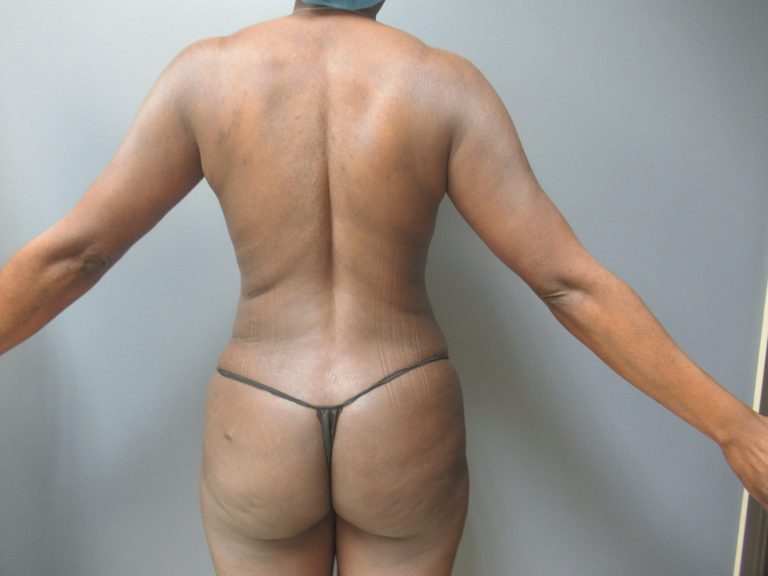
When people start thinking seriously about body contouring, their first questions usually sound simple. How much can liposuction remove? What will I look like afterward? How fast will I recover? Underneath those questions sits the one that matters most: what is a realistic outcome for my body, my health, and my life?
That is the right place to begin, especially if you are researching Liposuction Farmington Hills options and trying to decide whether the procedure makes sense for you. Realistic goals shape everything that follows. They influence whether you feel satisfied after surgery, whether you choose the right treatment areas, and whether you understand the difference between contour improvement and dramatic weight loss.
A lot of disappointment around cosmetic procedures has less to do with the procedure itself and more to do with expectations that were never grounded in anatomy, healing, or lifestyle. I have seen people come in hoping liposuction will fix clothing fit, loose skin, cellulite, scale frustration, and years of body image struggles all at once. That is far too much to ask of one procedure. Liposuction can be extremely effective, but it is not magic, and the best results usually belong to patients who know exactly what problem they are trying to solve.
Start with the real purpose of liposuction
Liposuction is a body contouring procedure. It removes localized fat deposits that have not responded the way you wanted to diet and exercise. That distinction matters.
Many patients say they want to "lose weight," but what they really mean is that they want a better silhouette, less fullness in a specific area, or a more proportionate shape in clothing. Those are often appropriate goals. If someone is bothered by fullness under the chin, fullness through the lower abdomen, or bulges at the flanks that remain despite stable habits, liposuction may help. If someone expects the procedure to produce the same health changes associated with major weight loss, that is a mismatch.
The most satisfied patients are often already close to a stable weight. They are not chasing a totally different body. They are trying to refine what they already have. A person who wears the same size most of the year, exercises regularly, and still carries stubborn fat in one or two areas tends to understand the value of contouring very quickly once healing settles.
That is why the first realistic goal is not "I want to be thinner everywhere." It is more specific: "I want Liposuction Farmington HIlls my lower abdomen to project less," or "I want the fullness at my sides to stop showing through fitted clothes," or "I want a cleaner jawline profile." Precision leads to better planning.
The mirror matters more than the scale
One of the most common misunderstandings about liposuction is the assumption that success should be measured in pounds. It usually should not.
Fat has volume, and contour changes often matter more than total weight removed. A patient may have a visible improvement in shape while seeing only a modest change on the scale. In some cases, post-operative swelling can temporarily hide that progress entirely. If your goal is tied too tightly to a number, you may miss a very good result while waiting for a dramatic weight change that was never the point.
A better question is this: how do you want your body to look and feel in day-to-day life? Maybe you want pants to sit flatter through the waist. Maybe you want Liposuction Farmington HIlls less rubbing at the inner thighs. Maybe you want a smoother line under dresses or workout clothes. These are practical, measurable, and emotionally honest goals. They connect the procedure to your real life instead of to a random target number.
This shift in thinking helps reduce post-operative anxiety. It is easier to stay patient with swelling and healing when you understand that body contouring is a visual and proportional procedure, not a race to a certain scale reading.
Know what liposuction can improve, and what it cannot
Realistic goals depend on understanding the limits of the procedure. Liposuction can remove fat. It does not directly tighten skin to the degree some patients hope. It does not erase cellulite. It does not rebuild weak abdominal muscles. It does not treat stretch marks. It also does not automatically create the "snatched" look people often see in edited photos online.
This is where consultation quality matters. An experienced surgeon should be candid about whether your concern is truly fat, or whether the bigger issue is skin laxity, muscle separation, posture, or body proportions that need a different approach. Sometimes the honest answer is that liposuction alone will help, but only partially. Sometimes the answer is that another procedure, or no procedure at all, makes more sense.
A patient in their late twenties with firm skin and isolated lower abdominal fullness may be an excellent candidate for liposuction alone. A patient in their forties or fifties who has had pregnancies, moderate skin laxity, and abdominal wall separation may improve with liposuction, but not enough to meet their expectations if they are imagining a tighter, flatter abdomen. In that case, the goal has to be adjusted or the treatment plan has to change.
That is not bad news. It is actually one of the most protective parts of the process. Clear limitations prevent regret.
Use your current body as the reference point
One of the best ways to set a realistic goal is to compare the expected outcome to your current body, not to someone else's body. This sounds obvious, but it is where many expectations go off track.
Your bone structure, skin quality, age, hormone history, weight fluctuations, pregnancies, and genetics all matter. If your hips are naturally narrow and your ribcage broad, liposuction can refine shape, but it cannot redesign your skeletal frame. If your skin has been stretched over years of weight change, there may be a limit to how smooth it can look afterward. If you tend to hold swelling for a long time, your final result may take longer to reveal itself.
People often bring inspiration photos, and that can be useful if handled correctly. The photo should serve as a communication tool, not a promise. It can help describe whether you prefer a subtle result or a more sculpted look. What it cannot do is override your anatomy. A realistic goal says, "I want the best version of my shape," not "I want her body."
That framing is healthier and more accurate. It also tends to produce better emotional outcomes after surgery.
Timing changes expectations more than most people realize
A surprising amount of satisfaction depends on timing. If you schedule liposuction during a period of major instability, it is harder to judge the result clearly and harder to maintain it.
Good timing usually means your weight has been relatively stable for several months, you can take recovery seriously, and you are not heading straight into another body-changing event. If you are planning pregnancy soon, actively trying to lose a large amount of weight, or going through a period of intense personal stress, those factors can complicate both healing and expectations.
Recovery also has its own timeline, and patients often underestimate that. You may look more swollen before you look better. Compression garments can be uncomfortable. Areas may feel numb, firm, uneven, or tender for a while. Final contour refinement often takes months, not days.
If your expectation is "I want this done before a wedding in six weeks and I want to look fully finished in photos," that may be too optimistic depending on the area treated and your healing pattern. A more realistic goal would be to plan far enough ahead that swelling and settling have time to improve before your big event. This is especially important for anyone considering Liposuction Farmington Hills practices while coordinating work obligations, family responsibilities, or travel.
The consultation should sharpen your goals
A strong consultation does not just tell you whether you are a candidate. It helps translate your concerns into specific, achievable outcomes.
Come prepared to describe what bothers you in plain terms. Is it fullness when viewed from the side? Is it asymmetry? Is it difficulty finding clothes that fit correctly? Is it a stubborn area despite exercise? These are much more useful than saying you simply want to look "better."
It also helps to discuss what level of change would make the procedure worth it for you. Some patients want a modest refinement and would be thrilled with a 20 to 30 percent visible improvement in one area. Others are only interested if the change is more dramatic. Neither stance is wrong, but your surgeon needs to know your threshold for satisfaction.
During this conversation, good questions often reveal whether your goals are realistic:
- Which of my concerns are caused by fat, and which are caused by skin or muscle?
- What kind of improvement is typical for someone with my anatomy?
- Which area should be treated first if I do not want everything addressed at once?
- How long should I expect swelling and contour irregularities to improve?
- What result would you consider successful for me?
Those questions move the discussion away from vague hope and toward practical planning.
Think in terms of zones, not total transformation
Many people pursue liposuction because one or two areas draw disproportionate attention. That is a helpful way to think about it. Rather than imagining a full-body reinvention, focus on the zones that bother you most and would most improve your day-to-day confidence.
The abdomen and flanks are common examples because even relatively small reductions there can change how clothes fit. Submental fullness under the chin is another area where a modest amount of fat removal can create a cleaner profile. Inner thighs can improve comfort as much as appearance. Arms can look more streamlined in sleeveless clothing. The point is not that every area needs treatment. The point is that targeted improvement can be very meaningful.
This is often where realistic goals and budget goals intersect. Treating every concern at once may not be necessary, and it may not even be the wisest choice. Sometimes the best outcome comes from identifying the single area most likely to deliver noticeable change. Patients who approach body contouring strategically often feel more satisfied than those chasing a broad, undefined makeover.
Be honest about your habits after surgery
Liposuction removes fat cells from treated areas, but it does not replace the need for long-term weight stability. If you gain a significant amount of weight after surgery, your body can still enlarge, sometimes in ways that change the contour you paid to create.
That does not mean you need a perfect lifestyle. It means you need a sustainable one. Patients who do best usually have normal fluctuations, not dramatic cycles. They eat reasonably well most of the time, stay active, and understand that surgery supports habits, it does not rescue them.
This matters when setting goals because maintenance is part of the outcome. If your expectation is "I can finally stop worrying about my weight," liposuction will not deliver that. If your expectation is "This will help me remove the pocket of fat that has not responded, and then I will maintain the result with the habits I already have," that is much more realistic.
I often think of liposuction as a finishing tool rather than a starting tool. It can be motivating, but it works best when the foundation is already there.
Watch for goals that signal a mismatch
Sometimes the problem is not the procedure. It is the reason someone wants it, or the emotional burden they expect it to carry. Cosmetic treatment can absolutely improve confidence, but it should not be treated as a cure for deeper distress.
You may need to pause and rethink if your goal sounds like one of these:
- "I want to look perfect."
- "I need this to save my relationship."
- "I want to look exactly like I did at 22."
- "I hate every part of my body."
- "If this one area changes, I will finally be happy."
Those statements are not just dramatic, they usually predict disappointment. A healthy goal is narrower and more grounded. It sounds like, "I want this area to look more proportional," or "I want to feel more comfortable in fitted clothing," or "I want an improvement that matches the effort I already put into my health."
The emotional tone matters. Patients who start from self-respect tend to make better decisions than patients starting from panic or self-loathing.
Regional context matters more than people think
If you are exploring Liposuction Farmington Hills providers, realistic goals should also include practical local considerations. Recovery is easier when follow-up care is accessible, support is nearby, and your treatment plan accounts for your normal schedule. A person who lives or works in the area may find it much easier to attend visits, address concerns quickly, and manage post-operative care without adding unnecessary stress.
Climate and season can matter too. Compression garments are not glamorous, and many patients prefer cooler months when layering is easier. Work routines matter as well. Someone with a desk job may return sooner than someone whose work is physically demanding, but neither should assume they will bounce back overnight. Small practical details often shape the recovery experience as much as the surgery itself.
Local reputation also matters, though it should be evaluated carefully. Look for consistency in communication, clarity during consultation, and realistic photographic examples from actual practice settings. The right fit is not always the office with the flashiest marketing. It is the one where the surgeon speaks plainly, assesses your anatomy carefully, and does not oversell what liposuction can do.
Expect the result to evolve
One of the hardest parts of liposuction is that the body rarely reveals the final result on your preferred timeline. Early healing can be emotionally noisy. You may feel puffy, sore, impatient, and uncertain all at once. Areas can look uneven before they look smooth. Clothing may fit strangely during the swelling phase. Numbness can persist longer than many expect.
This is where realistic goals need to include the process, not just the endpoint. If you expect to look "done" in two weeks, you are setting yourself up for unnecessary alarm. If you understand that improvement arrives in stages, it is easier to judge your progress fairly.
A good surgeon and team should explain what to watch for, what is normal, and when concerns deserve a call. That support matters. Patients tolerate the recovery phase much better when they know what they are seeing.
Patience is not just a virtue here, it is part of the treatment plan.
A realistic goal is specific, measurable, and personal
By the time you are ready to move forward, your goal should be clear enough to say in one or two sentences. Not poetic, not dramatic, just accurate.
For example: "I want my lower abdomen and flanks to look flatter in clothing, and I would be happy with a noticeable but natural improvement." Or, "I want less fullness under my chin so my profile looks more defined in photos and in person." Or, "I want my inner thighs to rub less and look slimmer in pants."
Those are strong goals because they identify the area, the type of change, and the standard of success. They also leave room for reality. Natural improvement is a far better target than perfection.
If you are considering Liposuction Farmington Hills services, that clarity will help you compare consultations more intelligently. You will be able to tell who listens closely, who sets honest expectations, and who understands the difference between selling a procedure and planning a result.
At its best, liposuction is not about becoming someone else. It is about refining what is already yours, with a clear eye, a steady plan, and a result that makes sense on your body. Realistic goals do not lower your standards. They protect them. They make it far more likely that when healing is complete and you look in the mirror, the change feels right, because it was built on honesty from the beginning.
Aesthetic Plastic Surgery & Laser Center, Michelle Hardaway M.D.
27920 Orchard Lake Rd
Farmington Hills, MI 48334
(248) 221-1957
FAQ About Liposuction Farmington Hills
What disqualifies you from getting liposuction in Farmington Hills?
A surgeon may recommend postponing or avoiding liposuction if a health condition, medication, or nicotine use raises the risk of surgery or poor healing. A consultation is needed to assess your medical history and whether the procedure fits your goals.
Can liposuction remove 20 pounds?
Liposuction is a body contouring procedure for localized fat. It is not a weight loss treatment, and a specific number of pounds is not a safe or useful target. The surgeon determines how much can be removed safely for each patient.
What are the risks of liposuction?
Risks include infection, changes in sensation, uneven contours, and complications from anesthesia or blood clots. A plastic surgeon can explain which risks apply to you and what to expect during recovery.